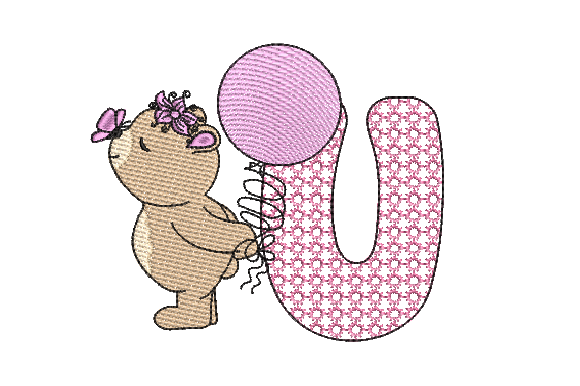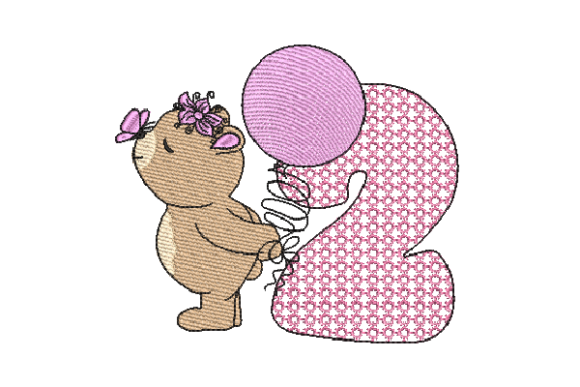
Number 2 Cute Teddy
As an embroidery designer and product reviewer, I’ve evaluated countless machine embroidery designs. Number 2 Cute Teddy stands out for its charm, simplicity, and practicality. This design is ideal for custom apparel, baby items, and personalized gifts—especially for birthday celebrations. Its hand-drawn aesthetic and minimal underlay make it quick to stitch while still delivering a strong visual impact.
First Impressions: A Whimsical Design with Purpose
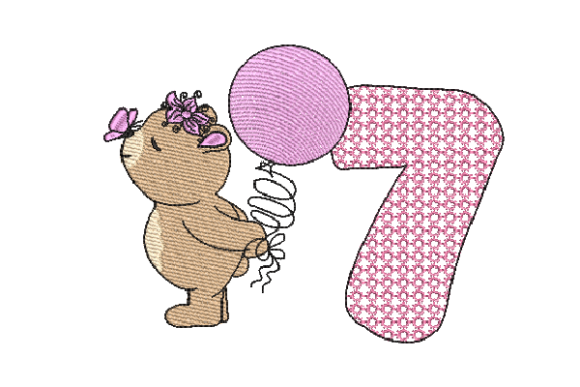
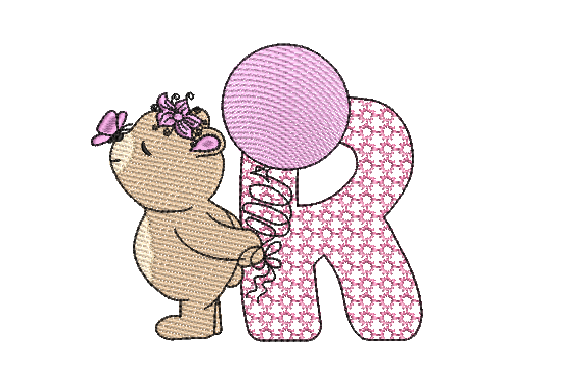
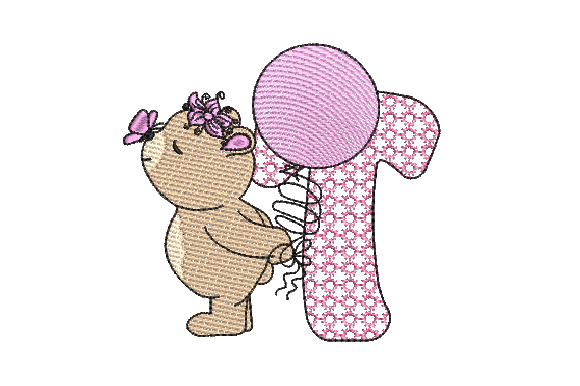
The first thing that catches your eye is the soft, hand-drawn look of Number 2 Cute Teddy. It doesn’t feel overly polished or rigid—it has a warm, approachable personality. The sketchy lines and light fill give it a casual, artistic vibe that feels more like a handmade illustration than a typical digital embroidery file. This makes it perfect for projects that aim to evoke nostalgia or a personal touch.
The layout is clean and balanced, with enough detail to be recognizable but not so intricate that it becomes overwhelming. It’s clear this design was made with real-world use in mind, rather than just for show. Whether you’re stitching a baby onesie or a holiday gift, the simplicity of the design ensures it will look great on a variety of fabrics and project types.
Real-World Use: Perfect for Custom Apparel and Personalized Gifts
When considering how Number 2 Cute Teddy performs in actual embroidery projects, it shines in several areas. For custom apparel like t-shirts, sweatshirts, or tote bags, the design stitches out quickly and looks sharp. The lack of heavy underlay means it won’t add unnecessary bulk, which is a big plus for thin or stretchy fabrics.
For baby items, such as onesies or blankets, the soft, playful style fits perfectly. It’s also a great choice for embroidered patches, where the minimal detail ensures clarity without overcomplicating the stitching process. If you’re creating a personalized gift for a birthday, this design adds a thoughtful, unique touch that customers will appreciate.
One area where it truly excels is in holiday or birthday-themed projects. The cute, friendly appearance makes it ideal for festive items like aprons, tea towels, or even pillow covers. It’s versatile enough to work in both casual and slightly more formal settings, depending on how you incorporate it.
Where to Be Cautious: Fabric and Stitching Considerations
While Number 2 Cute Teddy is generally easy to work with, there are some situations where caution is needed. On small hoop sizes, the design may require careful placement to ensure all elements are captured properly. Textured or stretchy fabrics can also affect how the design looks, especially if the thread colors don’t contrast well with the background.
Thin or dark fabrics may require additional stabilizer to prevent puckering or distortion. If you’re planning to use this design on curved surfaces like caps or hats, test it on scrap fabric first to see how the stitches lay. The design’s minimal underlay means it might not hold up as well on layered garments or products that need frequent washing.
Small details, like the corners of the teddy or any tiny lettering, should be inspected closely before finalizing a project. It’s always a good idea to check how the design looks in black and white mockups to ensure it remains visible and legible on different backgrounds.
Impact on Visual Appeal and Customer Perception
Number 2 Cute Teddy has a significant impact on the visual appeal of any finished product. Its simple yet expressive design adds character and warmth, making it ideal for handmade products that aim to stand out. When used in custom apparel or personalized gifts, it helps build customer trust by showing attention to detail and quality craftsmanship.
For small shop products or Etsy listings, this design can enhance brand consistency and make your offerings more recognizable. It’s also great for giftability—people love receiving something that feels personal and thoughtful. Whether it’s a birthday present or a holiday item, the design’s charm can increase buyer engagement and satisfaction.
In commercial embroidery projects, the design’s quick stitch-out time and low stitch density make it efficient for high-volume production. However, always confirm licensing terms before selling finished items or digital products, as restrictions may vary depending on the source.
Practical Designer Notes: Testing and Preparation
Before using Number 2 Cute Teddy in a real project, I recommend testing it on scrap fabric first. This allows you to see how the design looks on different materials and adjust your setup accordingly. Check thread color contrast to ensure the design stands out clearly against the fabric.
Review the stitch density to avoid issues like puckering or uneven coverage. Confirm the hoop size required for the design and make sure it fits your embroidery machine. Inspect small details, especially around the edges and any fine lines, to ensure they remain crisp after stitching.
Test the design in black and white mockups to see how it appears on both light and dark backgrounds. Use proper stabilizer for delicate or stretchy fabrics, and always verify that the design works for both personal and commercial use. If you’re creating printable mockups or digital product previews, ensure the design scales well and maintains its integrity at different sizes.
Final Thoughts: A Reliable Choice for Creative Projects
Number 2 Cute Teddy is a dependable embroidery design that offers a lot of value for its simplicity. It’s ideal for a wide range of projects, from custom apparel to personalized gifts, and its hand-drawn style adds a unique, friendly touch. While it’s not perfect for every situation, it’s a solid choice for designers looking for a quick, effective, and visually appealing option.
Whether you’re an Etsy seller, a craft business owner, or a hobbyist, this design can help elevate your work and provide a fresh, creative edge. Just remember to test it thoroughly and consider the fabric and project type before finalizing your design choices.